
by dividoz
Share
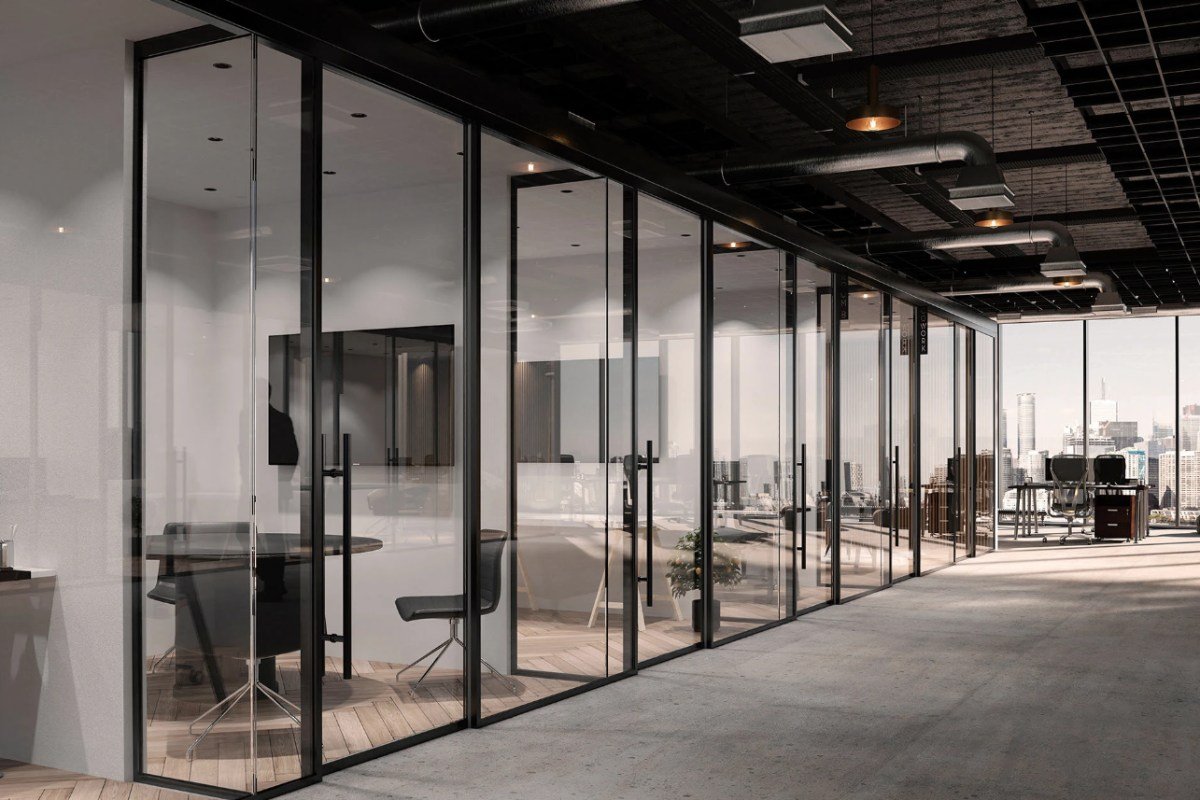
Glass partitions have become one of the most practical ways to shape a modern office. They keep spaces open and bright, but they also help create meeting rooms, private offices, focus areas, and better zoning within open-plan layouts. For companies that want a workplace to feel professional without becoming closed off, office glass partitions offer a clear middle ground.
That said, choosing the right system is not only a design decision. In real workplaces, the best solution depends on three things: the partition system itself, the level of privacy required, and how well the space handles sound. That matters because noise remains one of the biggest workplace complaints. Research cited by Knoll from the Leesman Index found that nearly 75% of employees consider managed noise levels important in an effective workplace, yet only 30% are satisfied with the noise levels in their current workplace. The same source notes that dissatisfaction with noise is the strongest indicator of poorly perceived productivity.
This is especially relevant in Germany, where workplace guidance is clear that shared and open-plan offices need careful acoustic planning. DGUV states that open and shared offices require particularly careful planning, and ASR A3.7 addresses room acoustic requirements for these environments. German guidance also makes clear that “noise” is not limited to very loud environments; even lower sound levels can impair concentration or mental state.
In this guide, we focus on what matters most when choosing office glass partitions: system types, privacy options, acoustic performance, and how to select the right solution for each area of the office.
What Are Office Glass Partitions?
Office glass partitions are internal glazed wall systems used to divide office space into functional areas such as meeting rooms, private offices, focus rooms, and collaborative zones. Unlike solid walls, they allow light to pass through the workplace while still creating clear boundaries between spaces.
They are best understood as workplace systems rather than decorative features. Performance depends on more than the glass itself. Glazing type, frame design, seals, and door specificationall influence how the final space looks, feels, and performs.
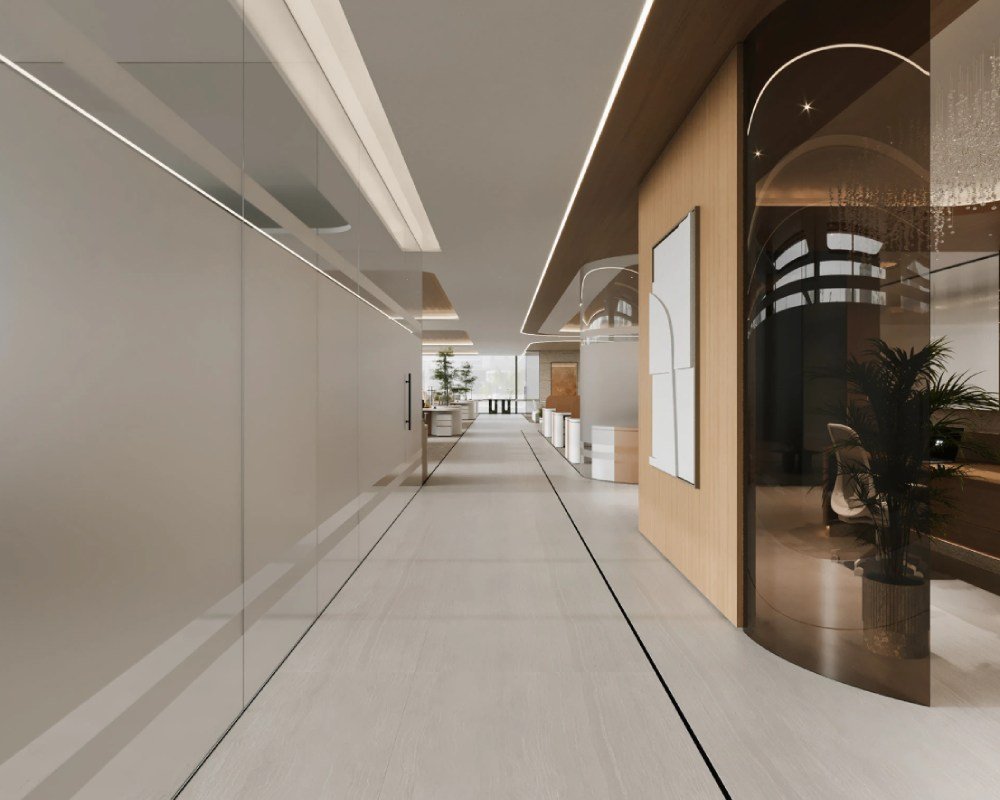
Office Glass Partition Systems Explained
Not all office glass partitions are built for the same job. Some are chosen for a clean visual finish. Others are selected for stronger privacy, better acoustic control, or easier future reconfiguration. The right system should be matched to how the room will be used, not just how it will look. That matters because room type, privacy level, and acoustic expectations do not stay the same across meeting rooms, executive offices, collaboration areas, and open-plan workspaces.
Frameless glass partitions
Frameless office glass partitions are designed for a minimal and open appearance. They reduce visible framing and create a cleaner line across the office, which makes them popular in contemporary workplaces where transparency and visual continuity matter.
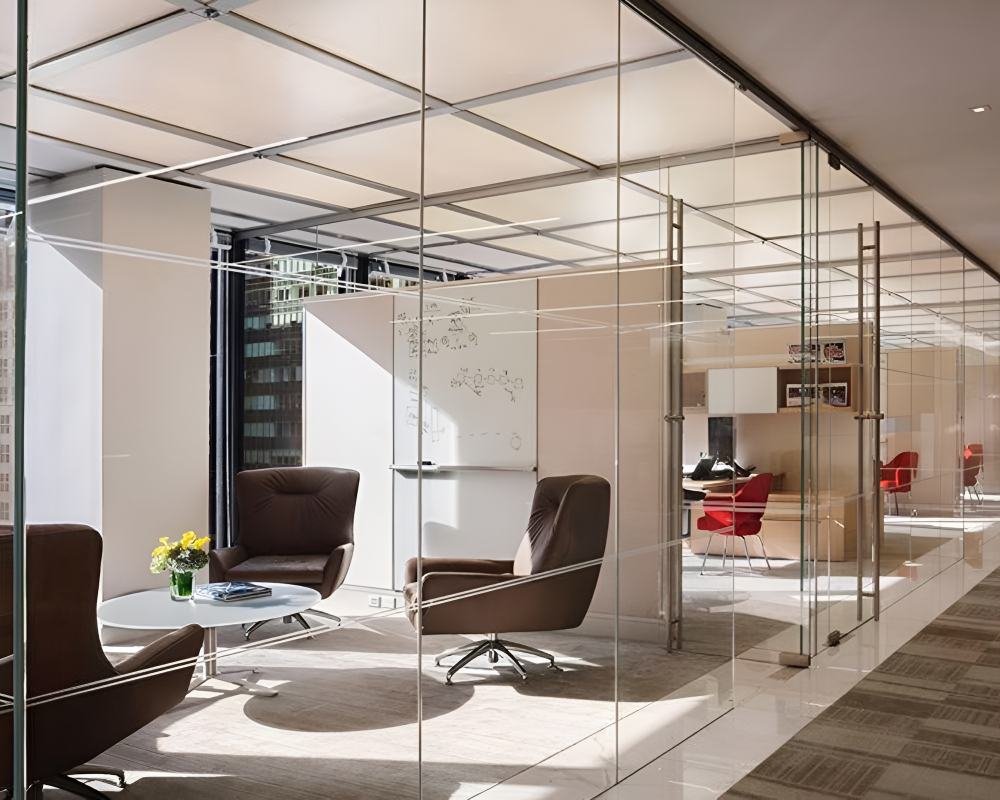
They work well in
- meeting rooms with moderate privacy needs
- client-facing spaces
- offices where design impact is a priority
Framed glass partitions
Framed glass partitions use visible structural framing to support the glass and improve system integration. They are often the more practical option when durability, detailing, and acoustic sealing are priorities.
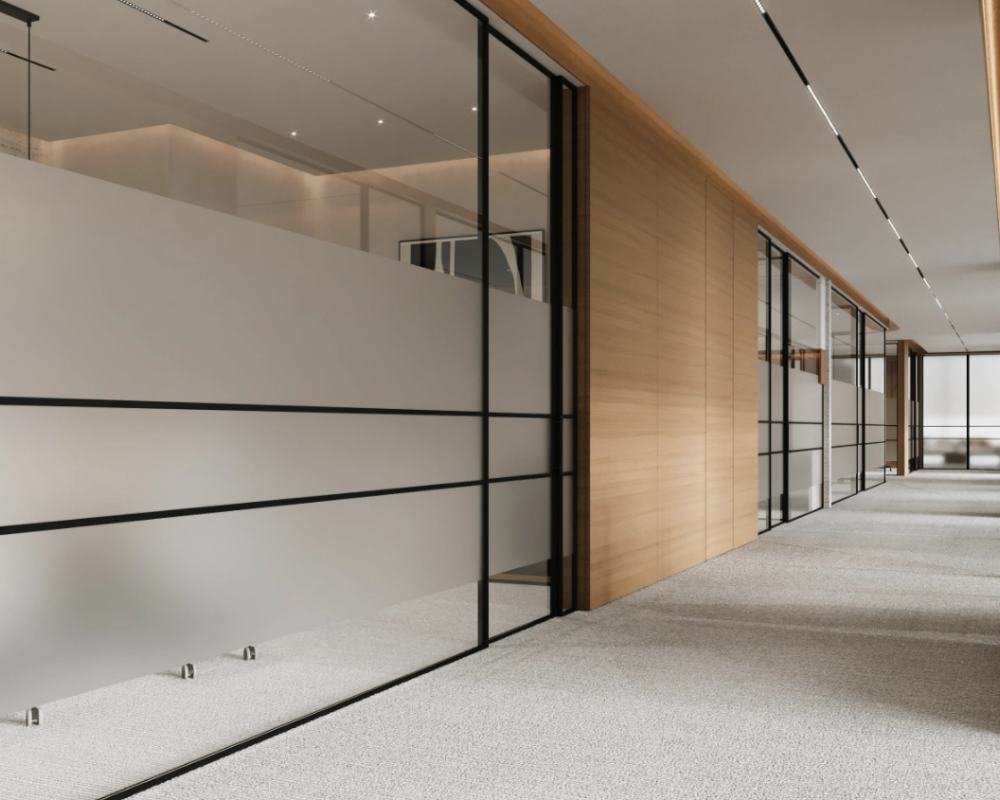
They work well in
- private offices
- rooms with heavier daily use
- spaces where better sound control is required
- projects where door performance and seals matter
Framed systems are especially relevant when the goal goes beyond appearance. Because they can integrate seals and more robust detailing more easily, they are often a safer choice for offices where privacy and acoustic consistency matter. That is one reason acoustic-focused partition manufacturers continue to position framed systems as the stronger fit for executive and confidential spaces.
Single-glazed glass partitions
Single-glazed office glass partitions use one layer of glass. They are often chosen for their cleaner appearance, lighter construction, and more accessible price point.
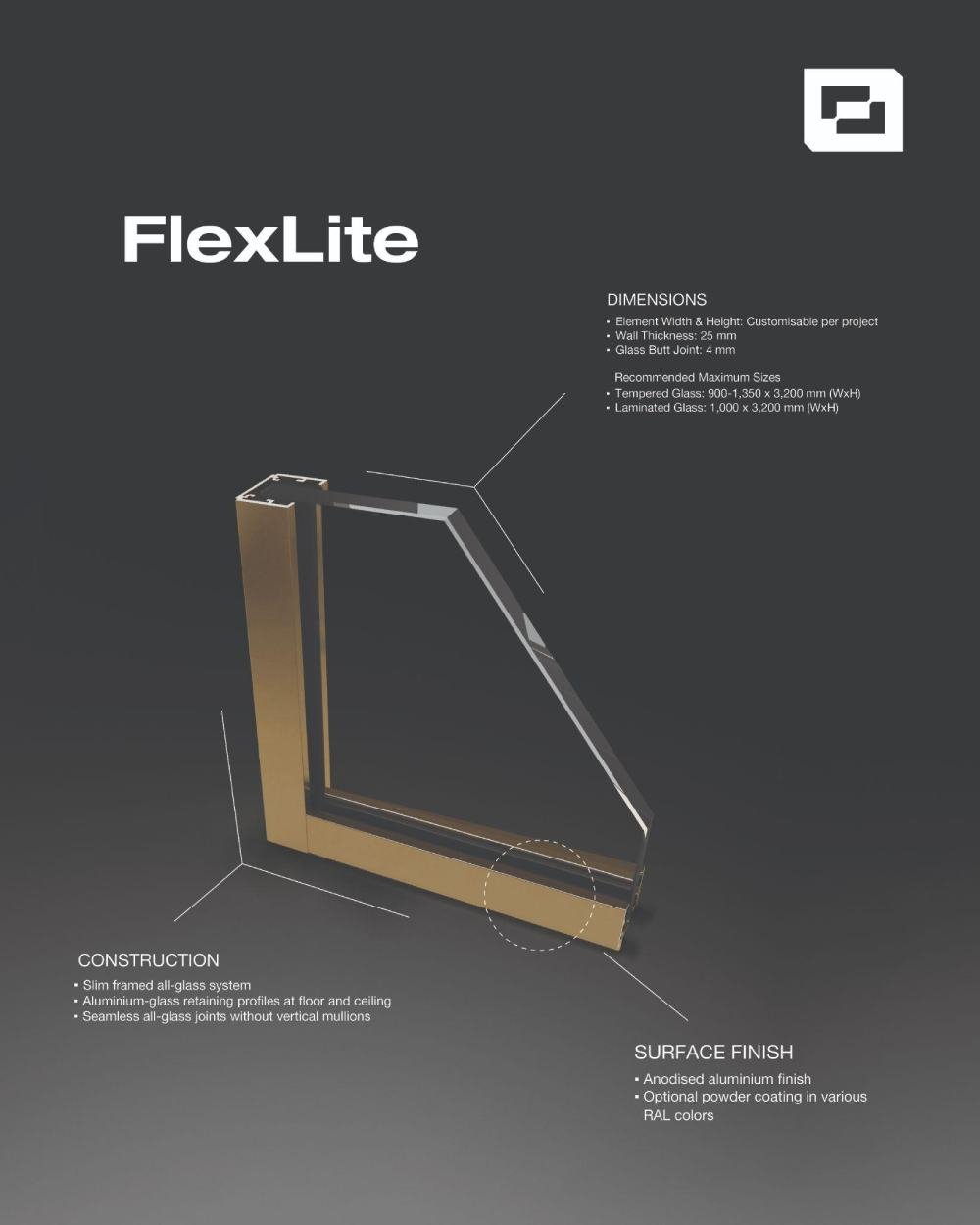
They work well in
- general office rooms
- collaboration areas
- internal divisions where basic separation is enough
- projects balancing design with budget
For many businesses, single glazing is a strong starting point. It keeps the office open, looks refined, and works well where full speech privacy is not essential. But it should be specified carefully. If the room will be used for leadership meetings, HR conversations, or focused work near noisy open areas, single glazing may not deliver the level of separation the business expects. Industry guidance regularly positions single-glazed systems as the more cost-effective option, while also noting that stronger acoustic needs may require an upgrade.
Double-glazed glass partitions
Double-glazed office glass partitions use two panes of glass within the system. They are generally chosen when acoustic performance, privacy, and a more enclosed room feel are more important than achieving the most minimal visual line.
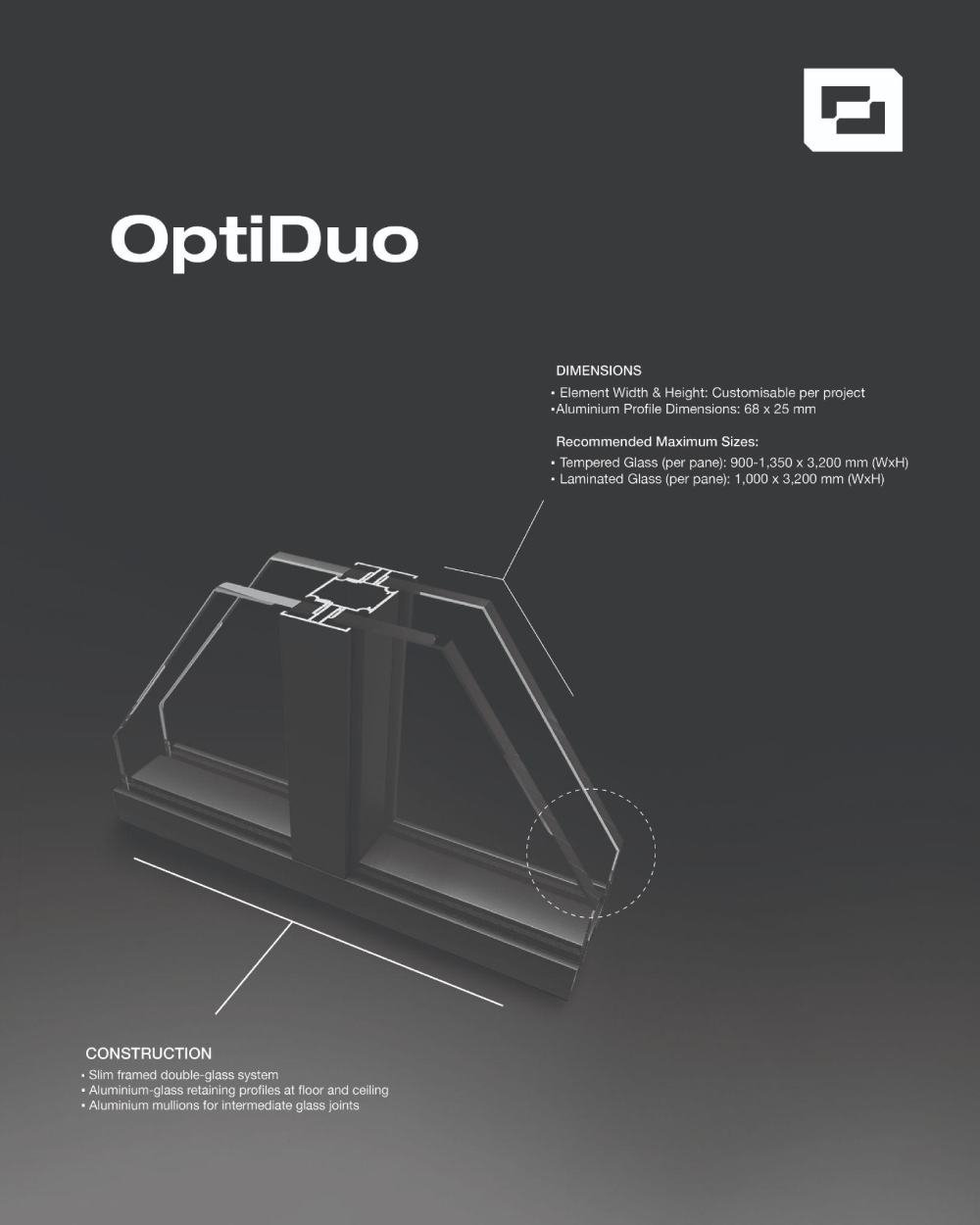
They work well in
- executive offices
- boardrooms
- confidential meeting rooms
- quiet rooms and focus spaces
This is where Dividoz has a clear commercial advantage. Dividoz’s own product range positions double-glazed systems around premium acoustic performance and spaces used for executive zones and sensitive discussions. That aligns with buyer intent very well, because readers searching for privacy and acoustics are usually much closer to specification than readers only browsing design ideas
Sliding glass partition systems
Sliding glass partition systems are used where space efficiency and access matter. They help reduce door swing issues and can be practical in compact rooms or layouts with limited circulation space.
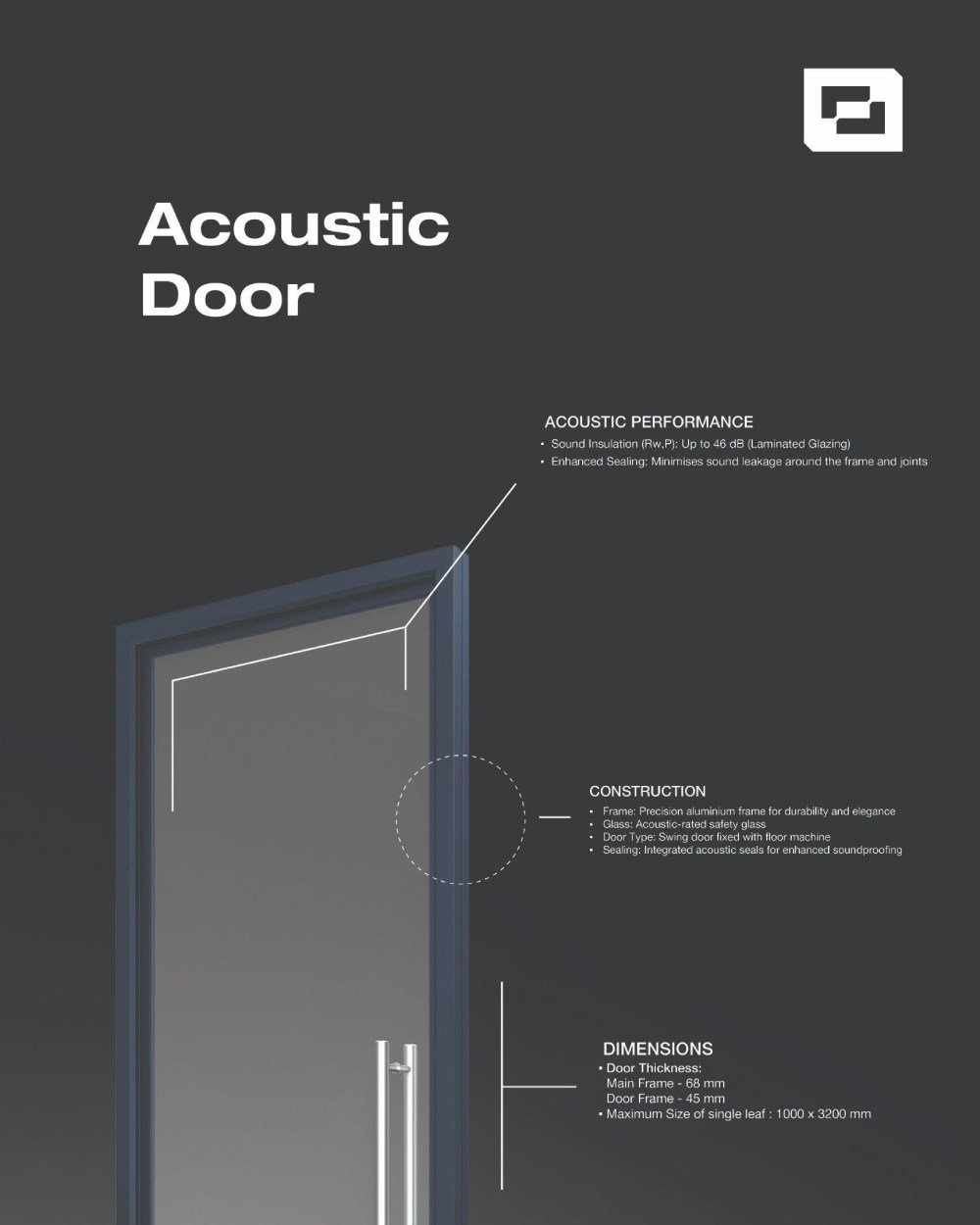
They work well in
- smaller meeting rooms
- compact offices
- areas where door clearance is limited
- layouts that need a cleaner traffic flow
Sliding systems can solve a planning problem that buyers often overlook early on: circulation. A room may look perfect on plan, but if the door movement is awkward, the space can feel compromised in daily use. Acoustic guides for office partitions also highlight that door selection affects the overall user experience and room performance, especially in tighter spaces.
Demountable and modular glass partitions
Demountable glass partitions are designed to be reconfigured more easily than fixed construction. For companies planning for growth, departmental changes, or future layout updates, this flexibility can be a major advantage.
They work well in
- growing businesses
- leased office spaces
- offices likely to be reconfigured
- projects where long-term adaptability matters
This is an important buying consideration because many companies no longer want fit-out decisions that lock them into one layout for years. Modular partitioning supports a more future-ready workplace strategy and can make later changes more manageable.
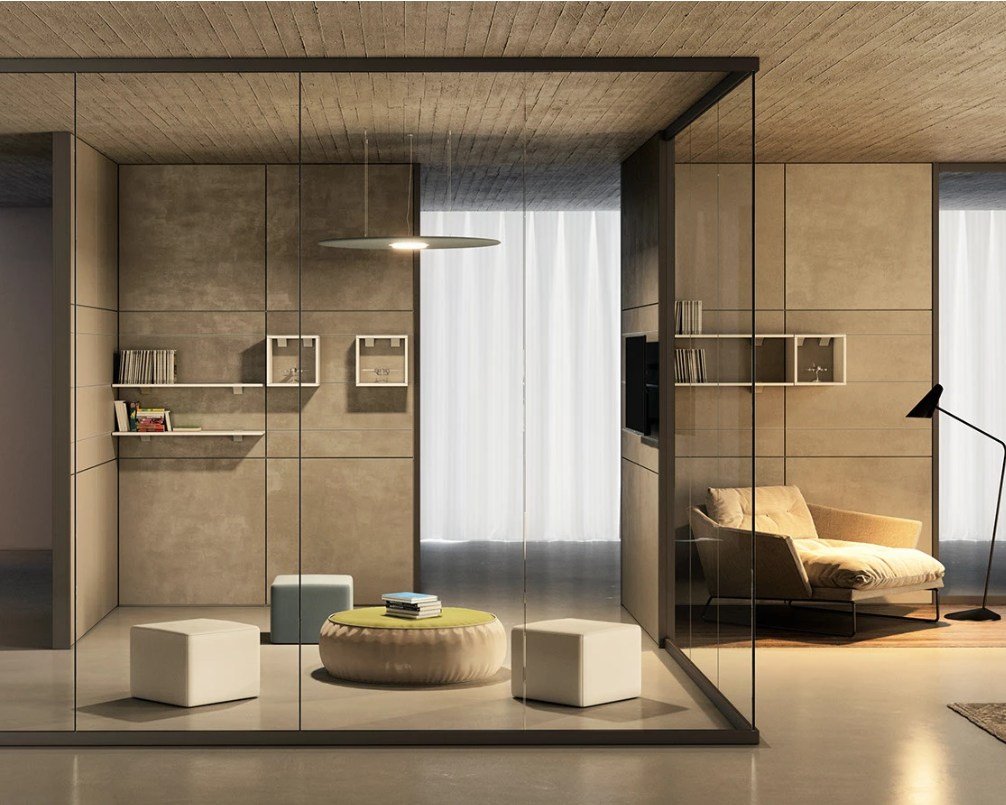
Smart glass and privacy glass options
Privacy glass systems are used when a business wants the openness of glass but also needs moments of visual control. This can include frosted glass, partial frosting, manifestation details, or switchable smart glass.
They work well in
- boardrooms
- HR rooms
- executive offices
- client meeting spaces
- spaces where visual privacy changes throughout the day
What matters most when choosing between systems
For most commercial buyers, the best office glass partition system comes down to five decision points
- how private the room needs to be
- how much sound control is required
- whether the room is formal, collaborative, or confidential
- how important a minimal visual finish is
- whether the office layout may change later
How to Choose the Right Glass Partition for Each Office Space
The right system should match the purpose of the room.
Meeting rooms
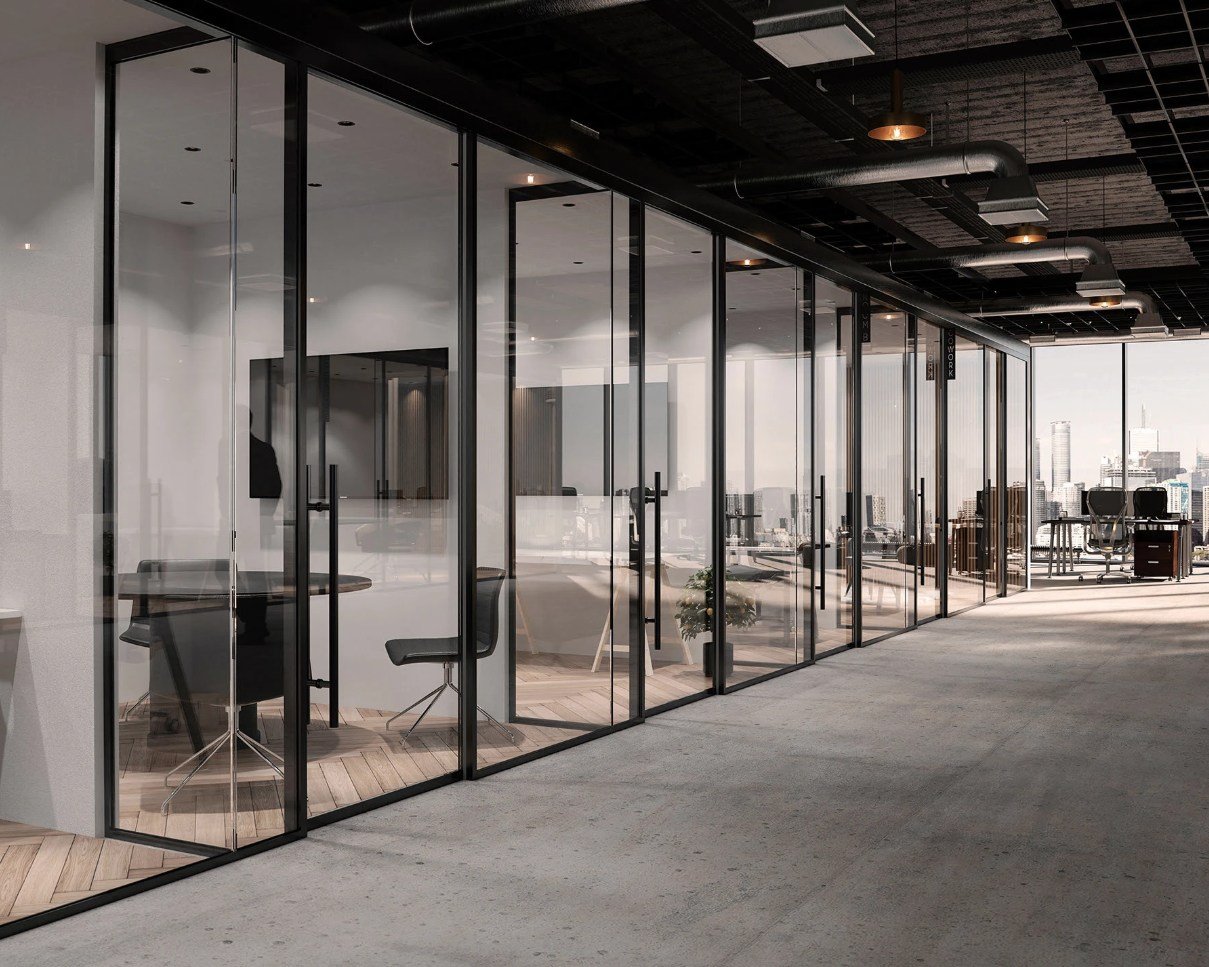
Meeting rooms usually need a balance of openness and privacy. Single-glazed systems can work well for standard discussions, while double-glazed systems are better suited to rooms used for sensitive conversations.
Executive offices
Executive spaces usually need a more premium finish with stronger privacy. Double-glazed or framed acoustic systems are often the better choice, especially when paired with frosted or smart glass for added visual control.
Focus rooms
Focus rooms should prioritise sound control over appearance. Full-height double-glazed systems and well-specified doors are usually the strongest option.
Open-plan zoning
In open offices, glass partitions help create structure without blocking light. Frameless or slim-framed systems work well for lighter separation, while acoustic systems are better where concentration is important.
Reception and client-facing areas
These spaces are often more design-led. Frameless partitions, clean detailing, and subtle branding treatments are usually effective here.
Confidential rooms
Boardrooms, HR rooms, and leadership spaces need stronger privacy. Double-glazed systems, acoustic doors, and privacy glass are usually the right fit.
Privacy With Office Glass Partitions: What Actually Works
Privacy in office glass partitions comes down to two things: what people can see and what people can hear.
Visual privacy
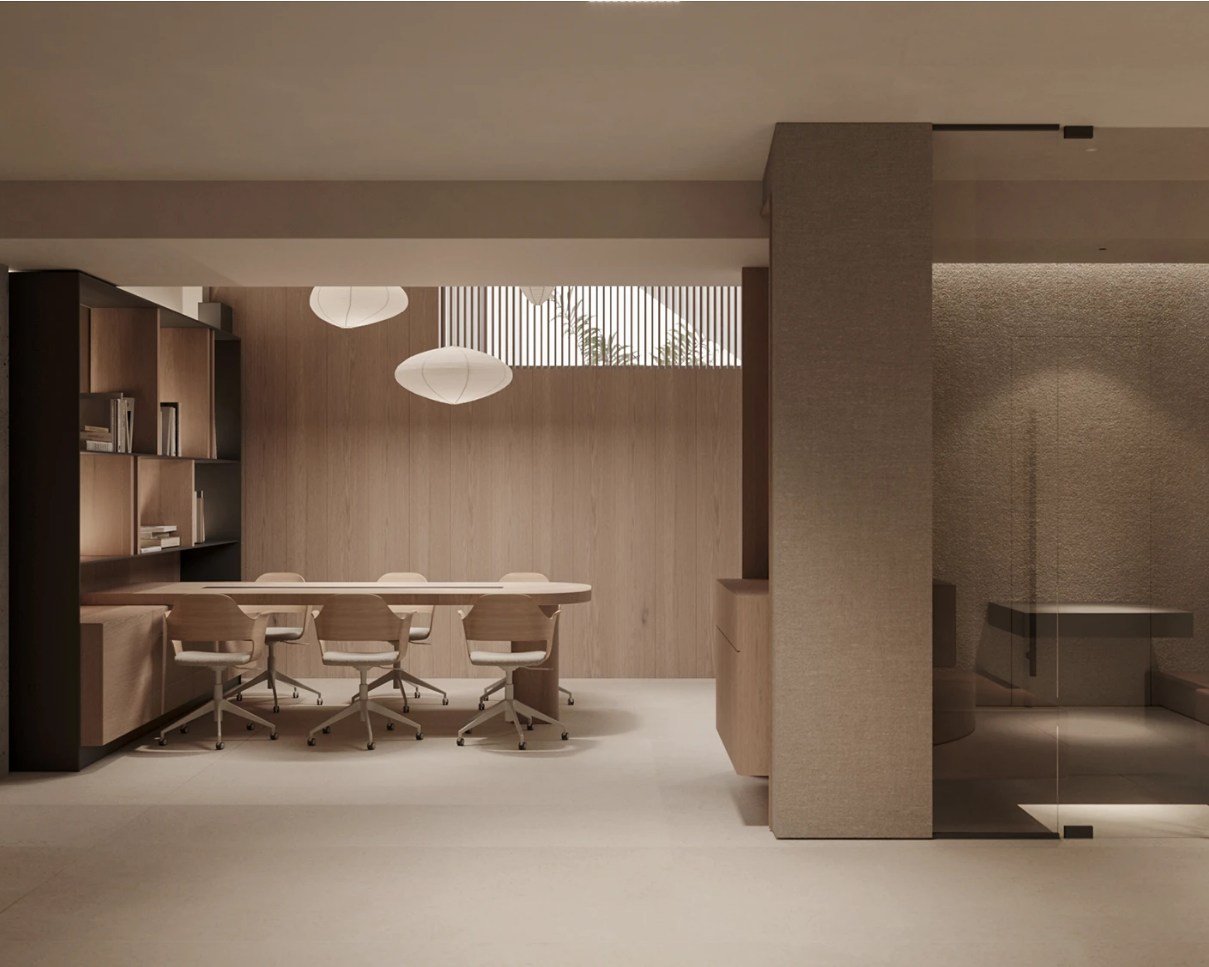
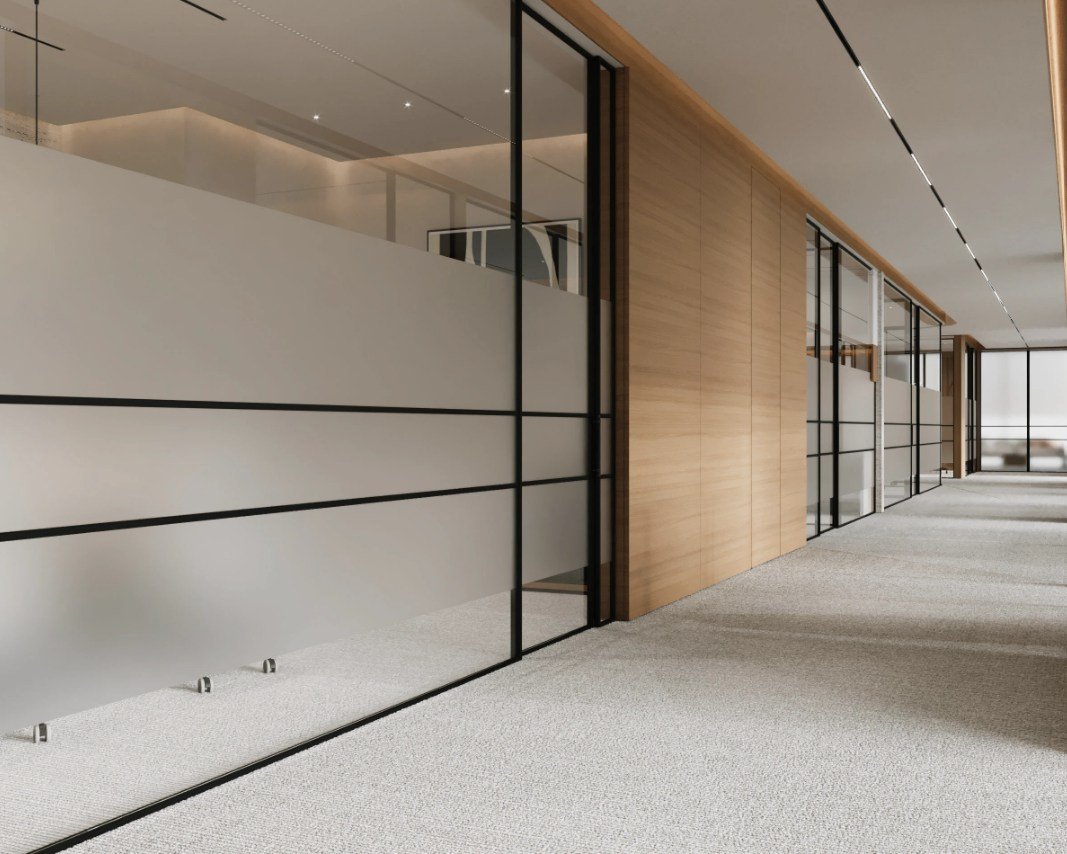
Visual privacy is about controlling sightlines without making the office feel closed. Frosted glass is a reliable choice for consistent screening. Banded or partial frosting offers a middle ground between openness and privacy. Smart glass is useful where privacy needs change throughout the day.
Acoustic privacy
Acoustic privacy matters most in rooms used for confidential calls, leadership discussions, HR meetings, and focused work. In these spaces, better results usually come from double-glazed systems, strong door sealing, and well-detailed framing. If privacy is a priority, a basic glazed setup is rarely enough.
Office Glass Partitions and Acoustics
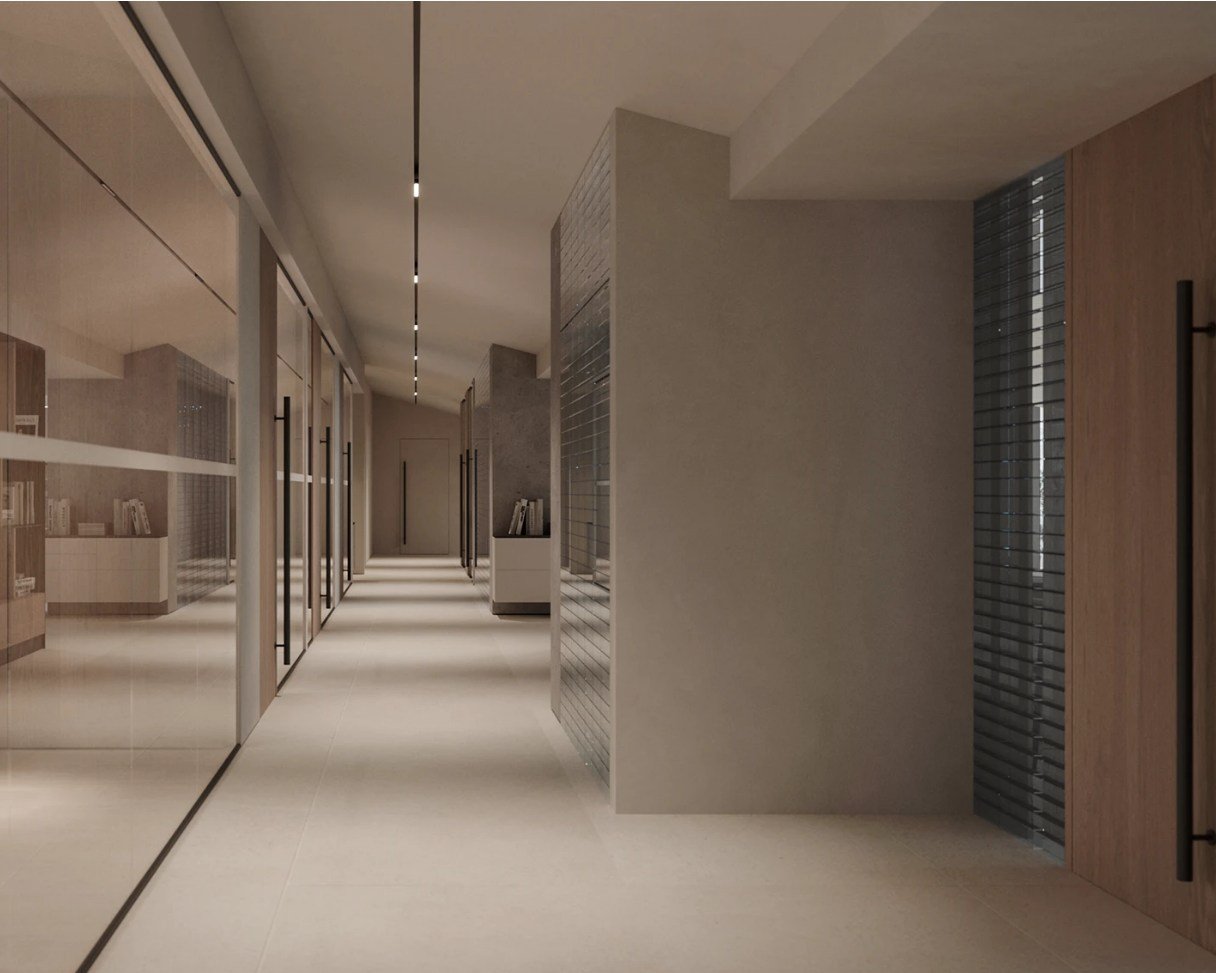
Acoustics are one of the most important parts of office glass partition design. A glass wall can keep an office visually open, but it does not automatically deliver strong sound control.
Acoustic performance depends on the full system. The main factors are the glazing type, the frame and seal quality, the door specification, and the junction details at floors, walls, and ceilings.
Single-glazed partitions can work well in general office areas and standard meeting rooms. Double-glazed systems are usually better for rooms that need stronger speech privacy, such as boardrooms, executive offices, and focus spaces.
Doors matter just as much as the glass. A well-designed partition can still underperform if the door, seals, and thresholds are not specified properly. In many office projects, this is where acoustic performance is lost.
What Matters in Germany
In Germany, office acoustic planning should be treated as part of the room design from the beginning. This is especially relevant in shared and open-plan workplaces, where concentration, comfort, and speech privacy are important to the way the space functions.
For glass partitions, that means the system should be considered alongside the wider office environment, including ceilings, floor finishes, wall treatments, and the intended use of each room.
Design Options That Change Performance and Appearance
The design of an office glass partition affects more than appearance. The right finish can improve privacy, support branding, and make a room feel more suited to its purpose.
Clear glass
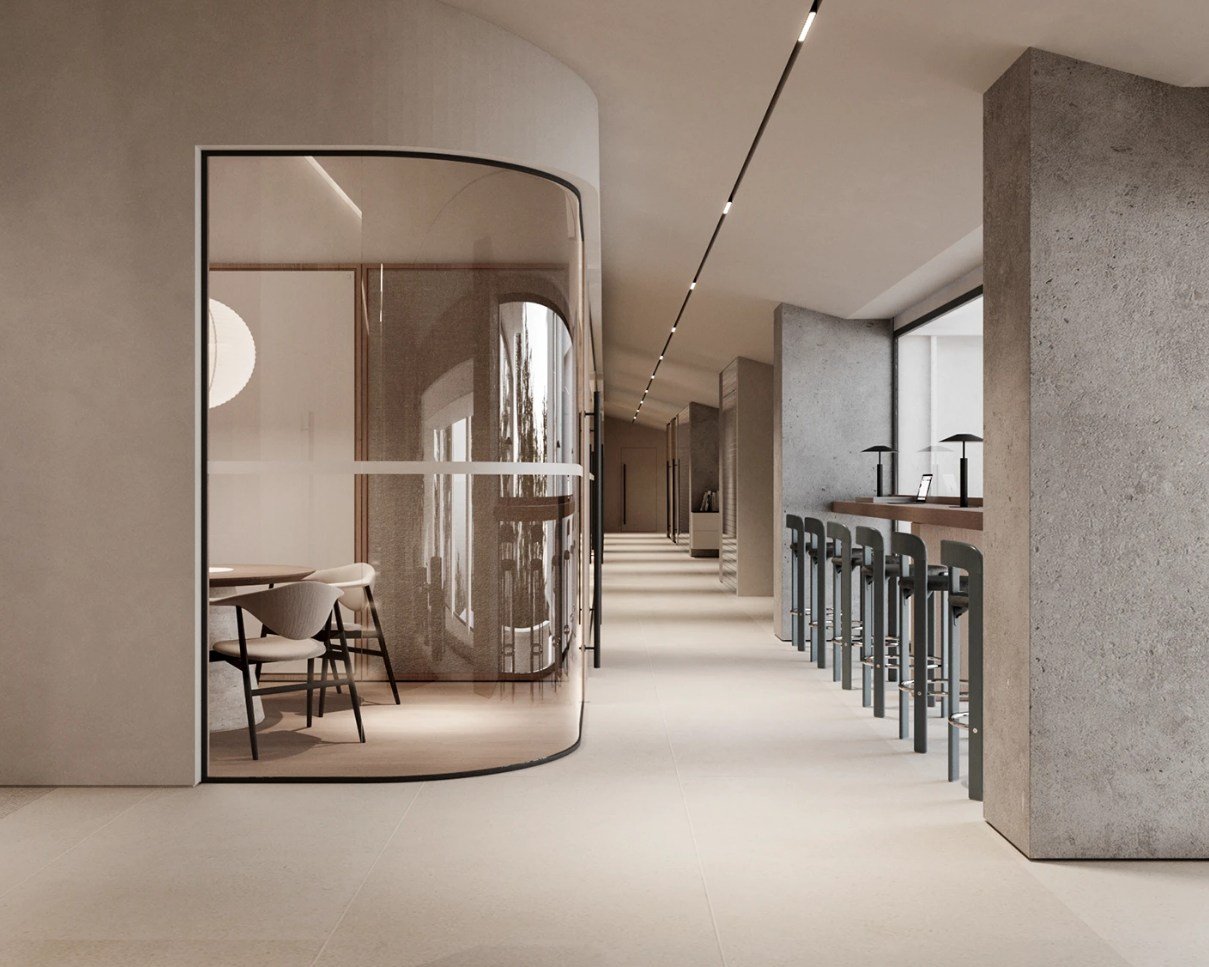
Clear glass keeps the office open, bright, and visually connected. It is commonly used in meeting rooms, collaborative areas, and reception spaces where natural light and a clean look are priorities. It works best where full visual privacy is not essential.
Frosted or banded glass
Frosted glass and manifestation bands are used when some visual screening is needed without fully closing the room. They are a practical choice for meeting rooms, HR spaces, and executive offices. Applied film is also widely used because it is flexible and cost-effective.
Smart glass
Smart glass is useful where privacy needs change throughout the day. It can switch from clear to opaque quickly, which makes it well-suited to boardrooms, leadership spaces, and client-facing meeting rooms.
Tinted or decorative glass
Tinted, patterned, or decorative glass can soften visibility and give the office a more distinctive design language. These options are often chosen where brand image and visual impact matter, but they should still be matched to the room’s privacy and lighting needs.
Manifestation and branding
Manifestation is not only a design feature. It can improve privacy, add branding, and help make glazed areas more visible. In office settings, it is often used through bands, graphics, or logo-based applications.
What to keep in mind
Design choices should support how the room works. A finish that looks good in a reception area may not be the right choice for a confidential meeting room. The best result usually comes from balancing appearance, privacy, and practical use.
Installation Planning: What to Get Right Before You Order
Good results start before installation. The most important decisions are usually made at planning stage: how the room will be used, how much privacy it needs, and what kind of door and acoustic performance the space requires. Acoustic guidance for office partitions notes that room purpose, acoustic needs, and door planning should be aligned early.
| Planning Area | What to Check | Why It Matters |
|---|---|---|
| Site survey and measurements | Confirm accurate dimensions, levels, and fixing points before ordering | Incorrect measurements can affect fit, alignment, and installation quality. Proper checks ensure smooth installation and better final results. |
| Floors, walls, and ceilings | Review actual site conditions, not only drawings | Partition systems must align with real on-site conditions. Variations in ceilings, floors, and walls impact installation and performance. |
| Door clearance and circulation | Decide early between hinged and sliding doors | Door type affects usability. Hinged doors require swing space, while sliding doors are better suited for compact layouts. |
| Acoustic detailing | Check seals, frames, thresholds, and door detailing | Acoustic performance depends on the complete system. Poor detailing can reduce sound insulation and privacy. |
| Future flexibility | Consider whether the office layout may change later | Modular or demountable systems allow easier reconfiguration, making them ideal for evolving workspace needs. |
Tip: Before ordering, the partition system should be checked against room use, measurements, door movement, acoustic needs, and future layout plans. Getting these details right early helps avoid performance and installation issues later.
Cost Factors and Long-Term Value
The cost of office glass partitions depends mainly on the system specification. Single-glazed partitions are usually the more economical option for general office divisions, while double-glazed and acoustic systems cost more because they are designed for stronger privacy and sound control. Manufacturers also note a clear performance gap, with single-glazed systems reaching around 38 dB (Rw) and double-glazed systems up to 51 dB (Rw) in some configurations.
Price is also influenced by the details around the glass. Door type, acoustic seals, custom finishes, privacy glass, and installation complexity can all increase the final cost. In practice, this means a simple meeting room partition and a high-performance boardroom system should not be budgeted in the same way.
Long-term value matters as much as upfront cost. If the office may change in future, modular or demountable systems can offer better value because they are easier to reconfigure than fixed construction. The best choice is usually the one that matches the room’s real privacy, acoustic, and flexibility needs.
Common Mistakes to Avoid
One of the most common mistakes is choosing a system based on appearance alone. A frameless or clear-glass finish may look right visually, but it may not deliver the privacy or acoustic performance the room needs.
Another mistake is underestimating acoustics in open-plan offices. Glass can help organise space, but it does not solve noise issues on its own.
Door specification is another area where projects often fall short. Even a strong partition system can underperform if the door, seals, and junctions are not detailed properly.
Office glass partitions can improve how an office looks, feels, and functions, but the right result depends on choosing the right system for the right space. Privacy, acoustics, layout, and future flexibility should all be considered before making a decision.
For standard meeting rooms and open-plan zoning, a simpler system may be enough. For executive offices, boardrooms, and confidential spaces, stronger acoustic and privacy performance usually matters more. The best choice is the one that matches how the room will actually be used.
When specified well, office glass partitions do more than divide space. They help create workplaces that feel open, professional, and better suited to modern ways of working.